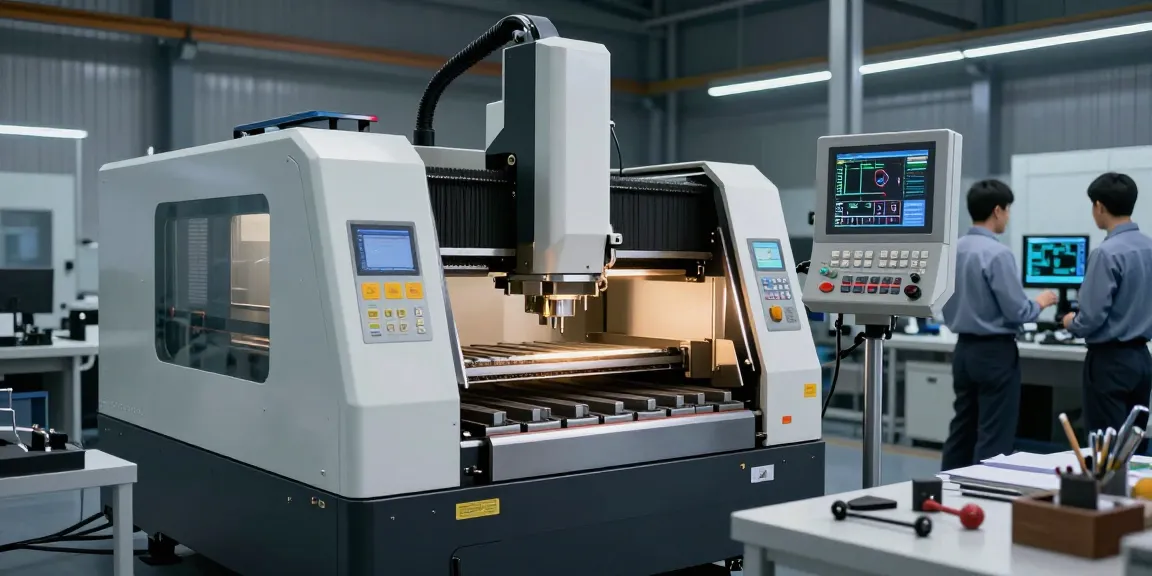
The Advancements in CNC Press Brake Technology
The realm of manufacturing continues to evolve, with CNC press brake machines leading the charge in innovation and precision engineering. These machines, particularly the hydraulic cnc press brake machine, integrate advanced hydraulic technology with CNC controls, enabling manufacturers to produce complex shapes and structures with remarkable accuracy. As industries demand higher efficiency and lower production costs, understanding the capabilities and configurations of these machines becomes essential for businesses aiming to remain competitive in the global market.
Understanding Hydraulic CNC Press Brake Machines
Hydraulic CNC press brake machines are specifically designed for bending metal sheets and plates with high precision. Utilizing hydraulic power, these machines are equipped with a system that provides a consistent force, allowing for delicate manipulations of various materials such as steel, aluminum, and titanium. The primary advantage of these machines lies in their ability to maintain high accuracy across different bending operations, achieving tolerances as tight as ± 0.01mm, thanks to advanced closed-loop control systems that adjust the ram’s position in real-time.
Core Features of Modern Press Brake Machines
Modern hydraulic CNC press brakes come with an array of features designed to enhance productivity and efficiency. Key components include:
- CNC Control Systems: Advanced control panels, such as the ESA S630, are becoming standard, providing user-friendly interfaces and powerful programming capabilities.
- Multi-Axis Operation: Many machines now offer configurations with 4+1, 6+1, or 8+1 axes, allowing simultaneous movements that boost operational efficiency.
- Enhanced Safety Features: Safety precautions like light curtains, rear door protections, and emergency stops are critical in ensuring operator safety during operation.
- Crowning Mechanisms: CNC table crowning systems help maintain accuracy by compensating for table deflection during the bending process.
Innovations Driving Efficiency in 2026
As we advance towards 2026, innovations in hydraulic CNC press brake technology continue to reshape manufacturing processes. Integration with IoT allows for real-time monitoring of machine performance, predictive maintenance, and improved supply chain management. Additionally, the adoption of AI in programming assists operators by optimizing bending sequences based on historical data, thus reducing cycle times and increasing throughput.
Applications of Hydraulic CNC Press Brake Machines
The versatility of hydraulic CNC press brake machines enables their application across various industries, from automotive to aerospace. Manufacturers are leveraging these machines to produce anything from intricate components to large structural parts.
Industries Utilizing CNC Press Brake Technology
Key industries that benefit greatly from CNC press brake technology include:
- Automotive: Used extensively for producing brackets, frames, and other structural components.
- Aerospace: Ideal for creating complex shapes required in aircraft manufacturing, ensuring lightweight yet robust structures.
- Construction: Essential for fabricating steel frames and reinforcements, enabling quicker assembly on site.
- Electronics: Commonly used for crafting enclosures and components that require precise measurements and finishes.
Custom Fabrication and Its Market Growth
With an ever-increasing demand for customization, hydraulic CNC press brake machines are central to the custom fabrication market. The ability to adapt quickly to unique specifications has allowed businesses to cater to specific client needs while enhancing product offerings and meeting regulatory requirements. Industry reports suggest that the custom fabrication market is projected to grow significantly over the next decade, driven by advancements in machine capabilities and software integration.
Case Studies of Successful Implementations
Several companies have benefited from integrating hydraulic CNC press brake machines into their production lines:
- Company A: Implemented a WEK series CNC press brake machine, resulting in a 25% increase in production efficiency due to automation and enhanced precision.
- Company B: Integrated the ESA S630 controller into their operations, reducing programming time by 40% through intuitive graphical programming.
- Company C: Transitioning from traditional machines to hydraulic CNC models allowed for a noticeable reduction in material waste, saving costs and enhancing profitability.
Comparing Traditional vs. Hydraulic CNC Press Brake Machines
Understanding the key differences between traditional and hydraulic CNC press brake machines is essential for business owners evaluating new equipment investments.
Efficiency Gains with Hydraulic Systems
Hydraulic systems are engineered to deliver more consistent force and speed compared to mechanical presses. This efficiency translates into shorter cycle times and less wear on the equipment, ultimately extending the machine’s lifespan and reducing maintenance costs.
Long-term Value Analysis and Cost Efficiency
Investing in hydraulic CNC press brake machinery can lead to substantial long-term savings. Although the initial cost may be higher than traditional systems, the reduction in waste, improved product quality, and lower operational costs render hydraulic options the more viable choice over time.
Technical Performance: A Side-by-Side Comparison
Performance metrics to consider include:
- Speed: Hydraulic systems typically operate faster than their mechanical counterparts, allowing for higher throughput.
- Accuracy: Hydraulic CNC presses offer superior accuracy due to advanced control systems, resulting in better-quality products.
- Flexibility: These machines can handle a wider variety of materials and thicknesses, expanding a factory’s manufacturing capabilities.
Future Trends in CNC Press Brake Machinery
Looking ahead, several trends are emerging that promise to further revolutionize the operation of CNC press brake machines.
Integration with AI and Automation
The integration of AI technologies aims to optimize production processes further, enabling data-driven decisions that lead to enhanced efficiency. AI can assist in predicting machine failures, scheduling maintenance, and optimizing bending processes based on real-time data analytics.
The Role of IoT in CNC Operations
The Internet of Things (IoT) is set to play a pivotal role in modern manufacturing environments. By connecting machines to the internet, manufacturers can monitor machine health, productivity levels, and maintenance needs remotely. This proactive approach can minimize downtime and extend machine life.
Sustainability and Eco-friendly Manufacturing Solutions
As sustainability becomes a critical focus across industries, hydraulic CNC press brake machines are evolving to incorporate eco-friendly designs, such as energy-efficient motors and systems that consume less hydraulic fluid. These innovations support manufacturing processes while aligning with global sustainability goals.
Frequently Asked Questions About Hydraulic CNC Press Brake Machines
What is the average lifespan of a hydraulic CNC press brake machine?
The average lifespan can vary based on usage and maintenance, but with proper care, these machines can last upwards of 25 years, making them a sound investment in the long term.
How do I choose the right hydraulic CNC press brake machine for my business?
Selecting the right machine involves assessing your production needs, including material types, thicknesses, and volumes. Additionally, consider the machine’s features, such as the number of axes and control systems.
What maintenance practices ensure optimal performance?
Routine inspections, regular oil changes, and system calibrations should be practiced. Additionally, keeping the machine clean and well-lubricated will help maintain accuracy and extend its operational life.