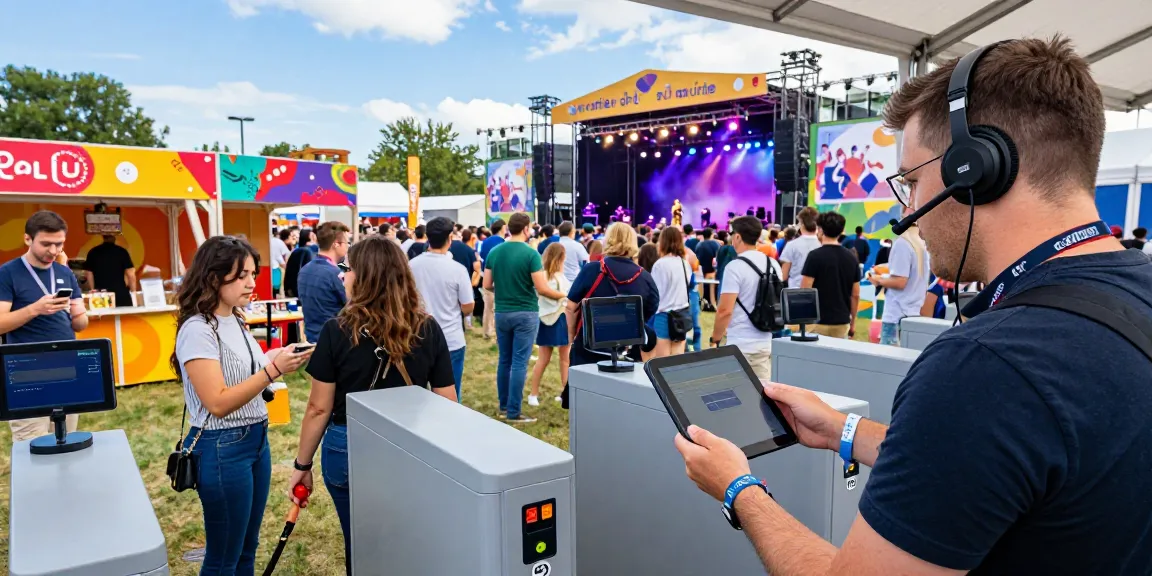
Understanding Control de Acceso con Pulsera Electrónica
As the events industry continues to evolve, so does the need for innovative solutions that enhance guest experiences and streamline operations. One of the most significant advancements in event management is the implementation of control de acceso con pulsera electrónica, which has transformed how organizers manage attendee entry, payments, and overall event flow. This technology not only bolsters security but also enhances operational efficiency, making it an essential tool for any event planner.
What is Electronic Wristband Access Control?
Electronic wristband access control refers to a system that utilizes NFC (Near Field Communication) or RFID (Radio Frequency Identification) technology embedded in wristbands, allowing for seamless entry and transaction processes at events. These wristbands, often integrated with cashless payment options, facilitate quick and efficient access management, reducing long lines and enhancing attendee satisfaction.
How It Works: The Technology Behind It
The technology of electronic wristbands operates through small chips that communicate with designated readers placed at various access points. When an attendee approaches an entry gate or payment station, the wristband is scanned, and the system verifies their eligibility for entry or transaction. This two-way communication ensures rapid processing, allowing events to handle large volumes of attendees without delays.
Benefits of Using Electronic Wristbands
- Enhanced Security: Electronic wristbands reduce the risk of ticket fraud by providing unique identifiers for each attendee.
- Streamlined Entry: Fast scanning capabilities mean that gates can process thousands of attendees per hour, eliminating long waits.
- Optimized Revenue: Cashless payments through wristbands lead to increased sales at concessions and vendors.
- Data Insights: Event organizers can monitor attendance and purchasing behavior, helping tailor future events.
Key Features of NFC Wristband Systems
Fast and Efficient Access Management
One of the most remarkable features of NFC wristband systems is their ability to provide fast and efficient access management. With the capability to handle over 2,000 entries per hour, event organizers can effectively mitigate bottlenecks, ensuring that guests enter the venue smoothly.
Real-Time Data Monitoring
NFC technology allows for real-time data monitoring, enabling organizers to track the flow of attendees and adjust operations dynamically. This feature is particularly beneficial in managing crowd density in different zones, ensuring safety and comfort for all guests.
Contactless Payment Integration
The integration of contactless payment systems within wristbands creates a cashless ecosystem, allowing event-goers to make purchases seamlessly. This not only enhances the attendee experience by reducing friction at point-of-sale areas but also leads to increased sales for vendors, who report revenue boosts of up to 30%.
Challenges and Considerations in Implementation
Common Misconceptions about Electronic Access
Despite their numerous benefits, there are several misconceptions surrounding electronic wristbands. Some organizers believe these systems are complicated or overly expensive. However, advances in technology have made them accessible for events of all sizes, from small corporate meetings to large music festivals.
Technical Challenges and Solutions
While implementing electronic wristbands, organizers may face technical challenges such as connectivity issues or inadequate infrastructure. Choosing a robust backend system and reliable technology partners can mitigate these problems, ensuring a smooth operation during events.
Cost Factors: Budgeting for Wristband Systems
Understanding the cost implications of wristband systems is crucial for effective budgeting. While the initial investment may seem high, the long-term benefits, including increased sales and streamlined operations, often outweigh the costs. Detailed planning and analysis can help organizers allocate resources efficiently and maximize their return on investment.
Case Studies: Success Stories from Major Events
Impact on Event Logistics at Major Festivals
One notable case is the SoundWave Festival, which successfully managed the entry of 40,000 attendees using electronic wristband technology. The Festival’s director, Marcos Torné, reported a significant reduction in wait times, stating, “The system was impeccable. We managed the entry without queues at the main access points.”
Increased Revenue Through Cashless Solutions
Another success story comes from TechCon Global, where the implementation of cashless wristbands revolutionized their sales processes. According to Elena Rodríguez, the Operations Manager, “The cashless system was incredibly easy to use. We received vendor reports in seconds instead of days.” This transition not only enhanced efficiency but also significantly improved revenue tracking.
Feedback from Event Organizers and Attendees
Event organizers consistently report positive feedback regarding the transition to wristband technology. Attendees appreciate the seamless experience, as it allows them to enjoy events without worrying about carrying cash or waiting in long lines. The overall satisfaction rates have seen a marked increase, reflecting the success of integrating electronic wristbands into event management.
Future Trends in Access Control Technologies
Emerging Technologies and Innovations in 2026
Looking into the future, the landscape of access control technologies is set to evolve further with the integration of artificial intelligence (AI) and machine learning. These technologies will help organizers predict attendance patterns and manage crowd dynamics even more effectively.
Predictions for the Evolution of Event Management
In 2026, we can anticipate a shift towards even more personalized experiences for attendees. RFID and NFC technologies will not only enhance entry and payments but will also provide tailored recommendations based on attendee behaviors and preferences.
Industry Expert Insights and Recommendations
Industry experts recommend embracing electronic wristbands as a standard practice in event management. Their ability to streamline operations and enhance attendee experiences makes them a vital tool for successfully managing both small and large scale events. The future of event management is undoubtedly intertwined with the advancement of these technologies.
What are the advantages of electronic wristbands?
Electronic wristbands improve security, enhance operational efficiency, and offer a cashless payment solution, thereby improving the overall experience for attendees and organizers alike.
How does NFC technology enhance event experiences?
NFC technology simplifies access control and transactions, reducing wait times and providing a smoother experience for attendees at events.
What challenges do organizers face with wristband systems?
Challenges can include misconceptions about complexity and costs, technical implementation hurdles, and ensuring robust infrastructure to support operations.
Can electronic wristbands improve festival sales?
Yes, by offering a seamless cashless payment experience, electronic wristbands can significantly boost sales for vendors and bars, leading to increased overall revenue for events.
What does the future hold for event access control?
The future of event access control will likely involve more advanced technologies, including AI and personalized data analytics, leading to more dynamic and engaging event experiences.