Understanding the AI Image Editor
The advent of technology has transformed various sectors, including graphic design and digital art. At the forefront of this revolution is the ai image editor, an innovative tool that harnesses the power of artificial intelligence to streamline image editing processes. These editors are designed to assist both amateur and professional designers in enhancing their visual content effortlessly and effectively. In this article, we will delve into the intricacies of AI image editing, exploring its functionalities, benefits, potential challenges, and future trends.
What is an AI Image Editor?
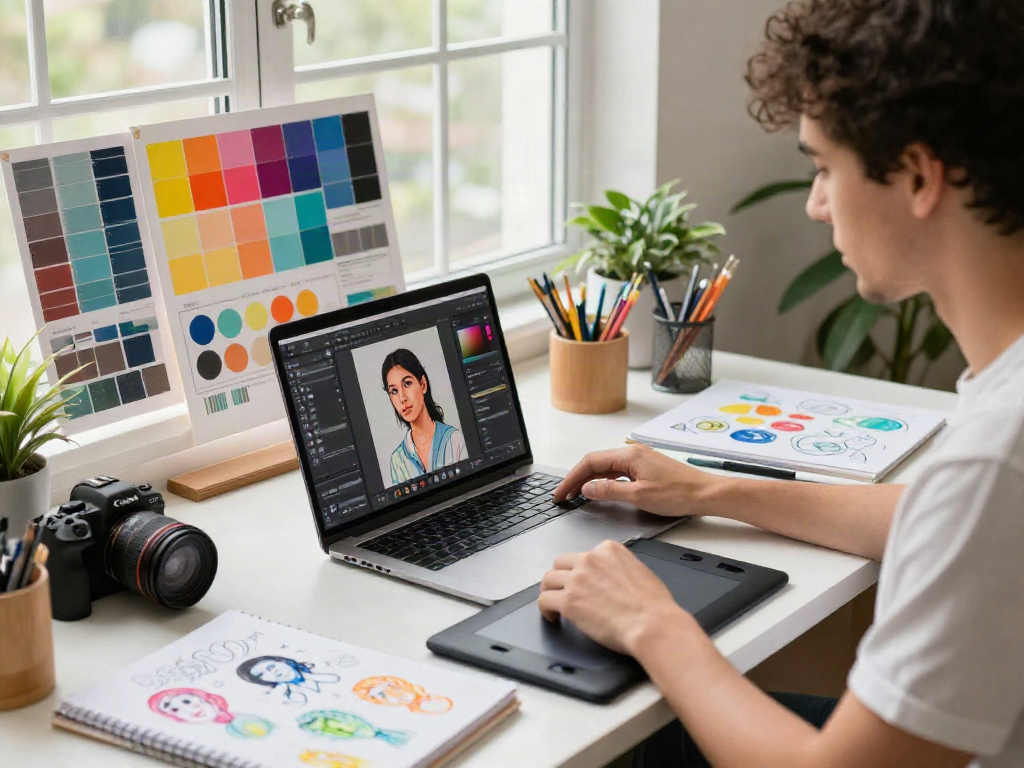
An AI image editor is a software application that utilizes artificial intelligence algorithms to simplify and enhance the image editing process. Unlike traditional image editing tools that require extensive manual input, AI image editors automate various tasks, enabling users to apply complex edits with minimal effort. This includes automatic adjustments of color balance, noise reduction, image restoration, and even the generation of entirely new images based on existing ones. The result is a more efficient editing process that can cater to the needs of a wide range of users, from casual hobbyists to seasoned graphic designers.
Key Features of AI Image Editors
- Auto Enhancement: AI algorithms can analyze images and automatically make adjustments to brightness, contrast, and saturation, ensuring optimal visual appeal.
- Content-Aware Editing: These editors can intelligently remove unwanted objects or imperfections and fill in gaps seamlessly, saving time and effort.
- Smart Filters: AI image editors offer a variety of filters that adapt to the content of the image, providing tailored effects that enhance the overall aesthetic.
- Image Restoration: Advanced machine learning techniques allow for the restoration of old or damaged images, bringing them back to life with remarkable detail.
- Cloud Integration: Many AI image editors offer cloud-based services, enabling easy access to projects across devices with collaborative features.
Comparison of Popular AI Image Editors
Several AI image editors have gained popularity in the market, each offering unique features and functionalities. Here’s a brief comparison of some of the frontrunners:
- Adobe Photoshop: With its AI-powered features like Adobe Sensei, Photoshop is a sophisticated tool that provides professional-grade editing, although it may require a steeper learning curve.
- Canva: Ideal for beginners, Canva incorporates AI to suggest design layouts and enhance images easily, making it a go-to for quick projects.
- Luminar AI: This tool focuses heavily on photo editing with AI-driven enhancements tailored for photographers, from landscape to portrait editing.
- DeepArt: Utilizes neural networks to transform images into artworks, replicating the styles of famous artists, providing a unique creative outlet.
Benefits of Using AI Image Editors
Time-saving Features that Enhance Productivity
One of the most significant advantages of AI image editors is their ability to save time. Tasks that traditionally took hours can now be completed in mere minutes, allowing designers to focus on more creative aspects of their work. Automated features, such as batch processing and preset adjustments, enable users to process multiple images simultaneously, enhancing overall productivity.
Improving Design Quality with AI Tools
AI image editors enhance the quality of designs through sophisticated algorithms that can optimize image elements beyond human capabilities. For instance, they can analyze pixels and make adjustments based on context, leading to professional-level results even for users with minimal editing experience. This not only improves the visual quality but also boosts the designer's confidence in their work.
How AI Enhances Creative Processes
AI in image editing can serve as a creative partner rather than a replacement for human creativity. By providing suggestions, generating ideas, and automating tedious tasks, these tools allow designers to free up mental resources for innovative thinking. For example, AI algorithms can help create mood boards, suggest color palettes, or even generate graphic motifs, all of which can inspire new creative directions.
Challenges with AI Image Editors
Common Misconceptions About AI in Design
Despite their advantages, misconceptions about AI image editors persist. A common belief is that AI will replace human designers, leading to job losses. In reality, AI is designed to augment human creativity, allowing designers to focus on higher-level tasks that require emotional intelligence and artistic vision.
Technical Limitations and Solutions
While AI image editors offer powerful tools, they still face limitations regarding understanding context and nuances in artistic editing. For instance, while an AI may suggest a particular filter, it may not fully grasp the intent behind the original design. To overcome this challenge, it is essential for users to combine AI suggestions with their judgment and creativity, ensuring that the final product aligns with their vision.
Integrating AI Tools with Traditional Editing Software
Another challenge is the integration of AI tools with traditional editing software. Designers often use a combination of tools for different aspects of their workflow, and ensuring that AI editors work seamlessly with established software can be complex. The solution lies in choosing AI editors that support plugins or integrations with existing software, allowing for a cohesive workflow that leverages the strengths of both traditional and AI-enhanced editing.
Practical Techniques for Mastering AI Image Editors
Step-by-Step Guides for Basic Tasks
Mastering an AI image editor begins with understanding its basic functionalities. Here’s a simple step-by-step guide to get you started:
- Upload Your Image: Start by uploading the image you want to edit.
- Automatic Enhancements: Use the auto-enhance feature to improve brightness and contrast.
- Object Removal: Select the unwanted objects using the selection tool and apply the content-aware fill.
- Apply Filters: Experiment with different filters to see how they affect your image’s overall look.
- Save Your Work: Remember to save your edits regularly and export in the preferred format.
Advanced Techniques for Professional Designers
For those looking to delve deeper into AI image editing, advanced techniques can elevate your design practice:
- Custom Presets: Create and save custom presets to maintain consistency across multiple projects.
- Layer Management: Understand how to utilize layers effectively to enhance your editing capabilities.
- AI-Assisted Compositions: Use AI-generated elements to create unique compositions that stand out.
Real-world Applications and Case Studies
Many industries have begun to embrace AI image editors for various applications. For example:
- Marketing: Brands use AI image editors to create social media graphics, optimizing images for different platforms rapidly.
- Photography: Photographers leverage AI tools for efficient editing workflows, enabling them to handle large quantities of images post-shoot.
- Web Design: AI helps web designers generate visuals and layouts quickly, allowing for rapid prototyping and testing of designs.
Future Trends in AI Image Editing
Emerging Technologies and Innovations
As AI technology evolves, we can expect continuous improvements in image editing tools. Innovations like deep learning algorithms will undoubtedly enhance features such as texture recognition, smart cropping, and even real-time suggestions during editing.
Predictions for AI Image Editing in 2026
By 2026, AI image editors are likely to become integral to the creative process. We may see more advanced collaboration features, allowing teams to work on designs simultaneously across different platforms, and AI might even tailor suggestions based on user preferences and previous edits.
How to Stay Ahead in the Evolving Landscape
To stay ahead of the curve in the field of AI image editing, continual learning is vital. Engage with online courses, follow industry trends, and participate in forums dedicated to AI technology in design. Embracing new features and tools early on can give you a competitive edge in an ever-evolving landscape.
What makes an AI image editor effective?
An effective AI image editor seamlessly integrates usability and performance, offering intuitive interfaces alongside powerful editing capabilities. Key performance indicators include speed, accuracy in artistic interpretation, and the ability to learn from user inputs to enhance future suggestions.
How can I improve my skills with AI image editing tools?
Improving your skills with AI image editing tools involves practice, experimentation, and staying updated with the latest features. Additionally, engaging with user communities and following tutorial content can provide insights into advanced techniques.
Are AI image editors suitable for beginners?
Yes, AI image editors are particularly suitable for beginners due to their user-friendly interfaces and automated features that simplify complex tasks. This allows novice designers to produce quality work without extensive prior knowledge.
What are the best practices for using AI image editors?
Best practices for using AI image editors include understanding the strengths and limitations of the tool, leveraging automation for routine tasks while maintaining control and creativity, and regularly saving work to avoid loss of progress.
How does AI influence the future of graphic design?
AI is positioned to fundamentally reshape graphic design by introducing tools that enhance rather than replace human creativity. By automating repetitive tasks, AI allows designers to focus on conceptualization and innovation, leading to richer and more diverse artistic expressions.